
Best Time to
Visit Bihar
From the crisp October mornings in Bodh Gaya to the mustard-gold February fields of the Gangetic plains — timing your Bihar visit right transforms a good trip into an unforgettable one.
Choosing the Right Season
Bihar's calendar doesn't have a bad chapter — it has four very different ones, and knowing which suits your travel style is the difference between wandering comfortably through Nalanda's ruins and wilting under a May sun that feels like it's testing your resolve. For most visitors, the answer is simple: the window between October and March is when Bihar tourism is at its absolute finest.
During these cooler months, the air over the Mahabodhi Temple complex carries incense and the sound of Tibetan chanting, the mustard fields outside Patna turn an otherworldly yellow, and the Ganga ghats at dawn are shrouded in photogenic mist. Beyond the temples and heritage sites, this season also coincides with Bihar's most spectacular festival — Chhath Puja — when the riverbanks transform into glowing, reverent theatre.
At a Glance — Best Times by Interest
- Pilgrimage & Temples: October – February
- Festival Experience: October – November (Chhath Puja)
- Wildlife Safari (Valmiki): November – April
- Photography & Landscapes: November – February
- Budget Travel: March – April (shoulder season)
- Cultural Immersion: October – March (all festivals)
Bihar's 12-Month Travel Calendar
Every month in Bihar tells a different story — here's your quick-reference guide to what each one holds.
What Each Season Really Feels Like
The numbers tell you the temperature. Here's what Bihar's seasons actually feel like from the ground.
Bihar's Golden Season
This is, without question, the best time to visit Bihar — and the reason is not just weather. October brings Chhath Puja, Bihar's most sacred and visually spectacular festival. As thousands of devotees stand in the Ganga's shallows at dawn, arms raised to the rising sun, the scene achieves something that transcends photography.
By November, the temperatures settle into a dreamy 12–26°C range that makes outdoor site-visiting — Nalanda, Rajgir, Bodh Gaya — genuinely pleasant from morning until evening. December and January carry a gentle chill that makes early morning meditation at the Mahabodhi Temple feel particularly sacred. February, meanwhile, turns Bihar's countryside into a sea of yellow mustard blossom that no traveller forgets.
- Ideal for the full Buddhist Circuit — all sites comfortable all day
- February mustard fields offer world-class landscape photography
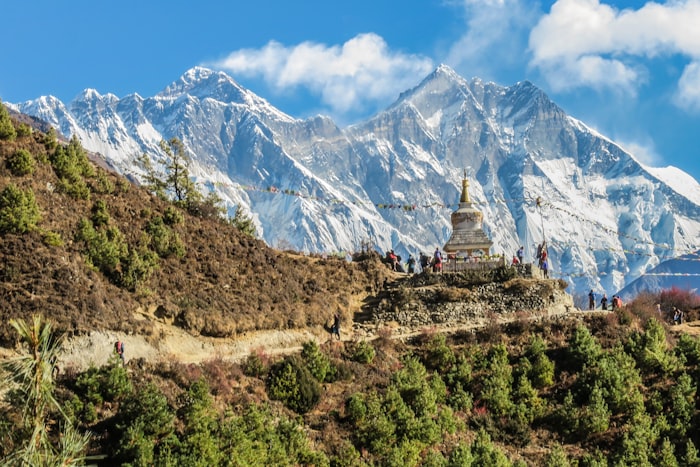
- Chhath Puja (Oct/Nov), Sonepur Mela (Nov), Dev Deepawali
- Pack light woollens for December–January evenings
- Book accommodation 6–8 weeks ahead for Chhath season
🗓 Winter Festival Highlights
The Shoulder Season Sweet Spot
March in Bihar is a transition — the winter clarity is fading but the brutal heat hasn't arrived yet. For budget-conscious travellers, this is the hidden sweet spot. Hotels are cheaper, pilgrimage sites are less crowded, and the landscape retains a freshness from the retreating season.
Holi arrives in March, and in Bihar's villages, it's celebrated with a raw, community energy that Bollywood films attempt but rarely capture. By April, temperatures begin climbing toward the mid-30s. Early morning visits to outdoor sites become advisable, and midday is best spent in shade or in an AC museum. It's still doable — just plan your days wisely.
- 20–30% cheaper accommodation than peak season
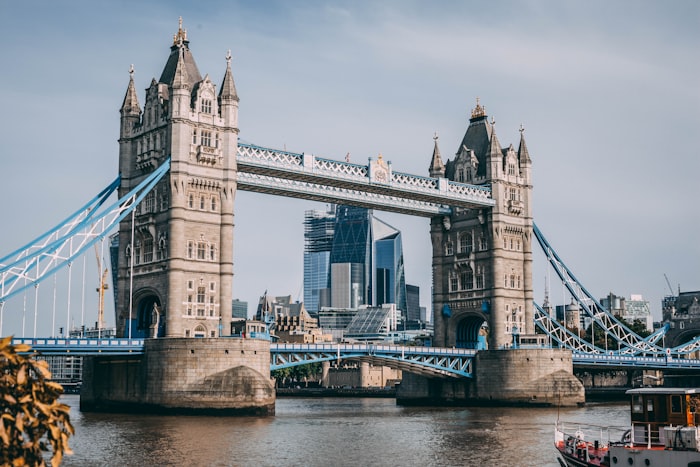
- Holi celebrations in Bihar's towns and villages are vivid and authentic
- Best approached with early-morning site visits and afternoon rest
- Valmiki Tiger Reserve still open — good safari window before summer
🗓 Spring Festival Highlights
The Honest Advice: Wait It Out
There's no sugarcoating May and June in Bihar — the heat is intense, with temperatures regularly touching 42–44°C in the plains. Outdoor site visits become genuinely uncomfortable by 9 AM, and the experience of wandering Nalanda's open ruins under that sun is more endurance test than heritage exploration.
That said, if travel constraints leave you with no choice, there are ways to make it work: dawn temple visits before 7 AM, AC cab hire for all transit, midday breaks at your hotel, and a renewed focus on indoor experiences like Patna's museums and covered markets. Come summer, don't leave without sipping a chilled Sattu Sharbat — locals swear it keeps the heat at bay, and they're right.
- Visit all outdoor sites before 8 AM — non-negotiable
- Focus on Patna Museum, Nalanda Archaeological Museum
- Carry at least 2 litres of water at all times
- Sattu Sharbat from street vendors — the essential Bihar summer drink

🗓 Summer Notes
Dramatic, Emerald, Complicated
Bihar's monsoon is a study in contradictions. The landscape, usually a dusty buff and brown, transforms into something almost shockingly green. The Ganga swells dramatically, the Rajgir hills disappear into cloud, and the countryside takes on a lushness that photographers prize. But the rains also bring very real complications — flooding in low-lying districts of north Bihar, waterlogged roads, and temporarily inaccessible heritage sites.
For travellers who understand the risks and embrace the aesthetic, September is the most forgiving monsoon month — the rains are easing, the greenery is at its peak, and the pilgrimage sites begin filling again ahead of the October festival season. It's not ideal Bihar tourism, but it's not without its own beauty.
- Countryside at its most photogenically green in August–September
- Flooding risk in Muzaffarpur, Darbhanga, Sitamarhi districts
- Check road conditions before travel to rural areas
- September is the safest monsoon month to visit
🗓 Monsoon Notes
What to Do — Season by Season
Match your interests to the season that serves them best. Bihar rewards the well-timed visitor.
Buddhist Circuit Walk
Bodh Gaya → Nalanda → Rajgir under cool skies. The Mahabodhi courtyard at 6 AM in November, lit by butter lamps, is among India's most serene sights.
Witness Chhath Puja
Stand at a Ganga ghat as thousands of devotees offer arghya at sunrise. This is Bihar at its most devotionally alive — plan your entire trip around it.
Valmiki Tiger Safari
Bihar's only tiger reserve is best explored in the winter months when animals are visible near water sources and the forest trails are walkable and dry.
Mustard Field Photography
In February, the fields outside Patna and Nalanda turn an impossibly vivid yellow. Rent a bicycle and cycle through them at golden hour for photographs worth framing.
Holi in a Bihar Village
Seek out a Holi celebration in one of the smaller towns near Muzaffarpur or Vaishali — unfiltered, joyful, and entirely different from the commercialised version in big cities.
Museum & Indoor Heritage
The Patna Museum houses one of India's finest Mauryan and Buddhist collections. The Nalanda Archaeological Museum holds priceless sculptures. Pair with dawn site visits.
Ganga Ferry at Sunrise
A ₹15 ferry ride from Patna Ghat to Hajipur in early morning mist is worth more than most expensive itinerary items. The river turns pure gold as the sun breaks through.
Evening Litti Chokha at Markets
As the sun sets over Patna's old market lanes, the charcoal smell of Litti Chokha being roasted guides you better than any map. Don't leave Bihar without this evening ritual.
What to Pack for Each Season
Pack light, pack right. Here's exactly what Bihar's three main travel seasons demand in your bag.
Winter (Oct–Feb)
- Light woollens / fleece for evenings
- Comfortable walking shoes (lots of site walking)
- Thin shawl for temple modesty and morning chill
- Sunscreen — winter sun is still strong at noon
- Camera / good phone for mustard fields and festivals
- Power bank — festival crowds can drain data usage
Spring (Mar–Apr)
- Light cotton or linen clothes — breathable is key
- Wide-brim hat or cap for afternoon site visits
- UV-protection sunglasses
- Electrolyte sachets — staying hydrated becomes critical
- Insect repellent (evenings, especially outdoors)
- Light scarf for dust on longer road stretches
Monsoon (Jul–Sep)
- Quick-dry clothing — cotton can stay damp all day
- Waterproof sandals or water-resistant shoes
- Compact travel umbrella or a good poncho
- Waterproof bag cover or dry bag for electronics
- Anti-fungal powder (humidity-related comfort)
- Check flood alerts via Bihar disaster management app
Best Time to Visit Bihar — Answered
Which is the single best month to visit Bihar?
November stands out as Bihar's finest month. The post-monsoon freshness lingers, temperatures are ideal (12–26°C), Chhath Puja falls in late October or November depending on the lunar calendar, and the entire pilgrimage circuit from Bodh Gaya to Nalanda is at its most accessible and atmospheric.
Is Bihar worth visiting during the monsoon?
For experienced India travellers who appreciate dramatic landscapes, September can be surprisingly rewarding — the countryside is emerald green and the sites are quiet. However, July and August carry a genuine flood risk in north Bihar's districts and are not recommended for first-time visitors. Always check current conditions before travelling in this season.
When is Chhath Puja, and should I plan my trip around it?
Yes, unreservedly. Chhath Puja falls on the sixth day after Diwali (usually late October or November), and the four-day festival is among India's most visually and spiritually extraordinary events. Plan to be at a Ganga ghat for the Usha Arghya (sunrise offering). Book your Bihar accommodation 6–8 weeks in advance and expect transport to be heavily booked.
Is it too cold in December and January in Bihar?
Not at all — temperatures rarely drop below 8°C even at the coldest. A light fleece and a shawl for evenings are all you need. Daytime temperatures of 18–22°C are ideal for outdoor site visiting. Morning mist over the Bodhi Tree complex in December has its own particular magic that warmer months simply don't offer.
What is the best time to visit Valmiki Tiger Reserve in Bihar?
November through April is the recommended window for Valmiki Tiger Reserve safaris. The park is typically closed during the monsoon (July–September). Winter mornings (November–February) offer the best wildlife visibility and the most comfortable conditions for jeep safaris through Bihar's only tiger habitat.
The Right Season.
The Perfect Bihar Story.
October to March — mark those dates. Bihar in its golden season is one of the subcontinent's most rewarding travel experiences, and very few people are there yet.
Explore Season Details