
Bihar's Sweet City Runs Deep
Muzaffarpur — legendary for its Shahi lychees, rooted in ancient Vaishali civilisation, and brimming with a cultural richness that most of Bihar's visitors never expect to find this far north.
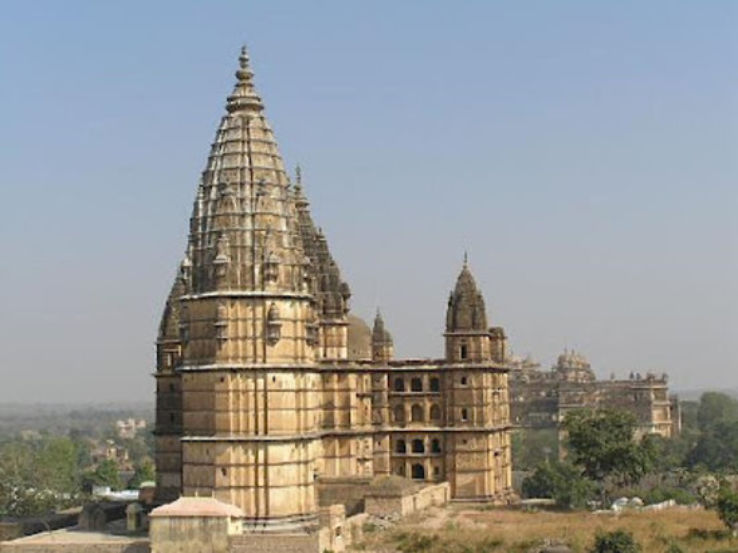
The Lychee Capital of India, Rooted in Ancient Bihar
Muzaffarpur bihar sits in the fertile Gangetic plains of northern Bihar, cradled between the Gandak and Burhi Gandak rivers — a city that wears its antiquity lightly but carries it deeply. Known worldwide as the lychee capital of India, Muzaffarpur is far more than its famous Shahi fruit. It is a city shaped by the ancient Vaishali republic, home to one of Bihar's finest museums, and a living hub of Maithili and Bhojpuri cultural traditions that have flourished here for centuries. For travellers building a comprehensive bihar travel guide, Muzaffarpur offers a gateway into Bihar's less-explored north — warm, generous, and genuinely surprising at every turn.
Five Reasons Muzaffarpur Deserves a Place on Your Bihar Map
Lychee Capital of India
Taste the world-famous Shahi lychee — sweet, perfumed, and grown only here in Muzaffarpur's orchards.
Ancient Vaishali Connection
Gateway to Vaishali — one of the world's first democratic republics and a key bihar heritage site.
Maithili Cultural Hub
Vibrant Maithili art, folk theatre, and festivals make Muzaffarpur a living museum of bihar culture.
Historic Temples & Shrines
Ancient temples, colonial-era architecture, and sacred ghats reward the curious and the contemplative.
North Bihar Circuit Hub
Ideal base for Vaishali, Darbhanga, Madhubani, and Sitamarhi — the full north bihar destinations loop.
The Three Experiences That Define Muzaffarpur Tourism
Ramchandra Shahi Museum — Bihar's Northern Crown Jewel
For those with a genuine interest in bihar history, the Ramchandra Shahi Museum is not optional — it is the essential first stop in Muzaffarpur. Established in 1924, this remarkable institution houses an extensive collection of artefacts spanning the Mauryan, Gupta, and medieval periods — sculptures, coins, terracotta figurines, manuscripts, and natural history specimens that together narrate Bihar's extraordinary civilisational arc. The museum's archaeological gallery is particularly striking, displaying finds from the ancient Vaishali region that place Muzaffarpur squarely within one of antiquity's most consequential geographies. An unhurried two hours here transforms everything you see in the city afterwards.
Garib Nath Temple — Ancient Devotion on the Riverbank
Situated on the banks of the Burhi Gandak river, the Garib Nath Shiva Temple is Muzaffarpur's most beloved sacred site — a place that draws devotees from across Bihar and neighbouring states throughout the year, and swells to extraordinary proportions during the Shravan month. The temple's antiquity is palpable in its worn stone steps and the riverbank ghats that extend before it, where pilgrims bathe at dawn before entering the sanctum. Even for visitors who arrive without a devotional purpose, the atmosphere at Garib Nath at early morning — river mist, lamp flames, the sound of bells — is one of the most evocative things to do in bihar.
Vaishali — The Ancient Republic, Just 35 Kilometres Away
Muzaffarpur's greatest advantage as a base may be its proximity to Vaishali — one of the most historically significant sites in all of India. The world's first democratic republic, birthplace of Lord Mahavira, and a place of deep importance to Buddhist history, Vaishali is reachable from Muzaffarpur in under an hour. The Vaishali Stupa, Ashoka Pillar, and the sacred Abhishek Pushkarini pond together form one of bihar's most layered and rewarding half-day excursions. Combined with the Ramchandra Shahi Museum back in Muzaffarpur, this pairing delivers a full-day immersion in ancient Bihar that few other cities in the region can match.
Festivals, Folk Arts & the Living Traditions of Muzaffarpur
Muzaffarpur breathes bihar culture in a way that larger, more touristed cities sometimes forget to. The Maithili literary and artistic tradition runs deep here — expressed in festivals, folk theatre, painting, and music that have remained vibrant precisely because the city has never had to perform its identity for outside approval.
- Saurath Sabha — Held annually in the nearby Saurath village, this unique Maithili Brahmin marriage fair is one of Bihar's most singular cultural traditions, drawing families from across the Mithila region to arrange alliances in a centuries-old public gathering.
- Sama-Chakeva Festival — A uniquely Maithili bird-welcoming folk festival celebrated by sisters for their brothers, with elaborate clay figurines, songs, and rituals that carry remarkable emotional and artistic depth.
- Shravan Mela at Garib Nath — Every monsoon month, Muzaffarpur transforms as lakhs of Kanwariyas and Shiva devotees pour into the city for this massive religious fair — one of the largest in all of north Bihar.
- Madhubani Art Legacy — The Mithila region's world-famous Madhubani painting tradition has deep roots in Muzaffarpur's cultural hinterland — workshops, exhibitions, and artisan cooperatives keep this extraordinary folk art form alive and accessible.
Food in Muzaffarpur — Flavour That Earns Its Reputation
Any honest bihar travel guide to Muzaffarpur begins and ends with food. The city's culinary identity is shaped by its Maithili heritage and the rich agricultural abundance of the Gandak plains — and the results are deeply satisfying. Don't leave without eating Litti Chokha at one of the city's old-quarter dhabas — smoky wheat dumplings paired with roasted aubergine mash, finished with generous ghee, represent Bihar's soul on a plate. The Shahi Lychee, available fresh between May and June, is something no visitor should leave without experiencing directly from a roadside vendor — chilled, perfumed, and incomparably sweet. The city's evening markets are equally rewarding for Thekua, Khaja from nearby Silao, and freshly fried Malpua drizzled with sugar syrup.

Green Muzaffarpur — Rivers, Orchards & Open Air
Muzaffarpur's natural character is defined by water and fertile land — the Gandak and Burhi Gandak rivers that frame the city carry both practical and spiritual significance for its people. The riverbanks at dawn are among the city's most calming spaces — stretches of sandy ghats, egrets wading in shallow water, fishing boats moving slowly through morning mist. Beyond the rivers, the lychee orchards that ring the city become a destination in their own right during May and June, when the trees hang heavy with fruit and the air carries a faint sweetness that is entirely unique to this part of Bihar. For those extending their journey north, Valmiki National Park — Bihar's only tiger reserve — lies approximately 170 km away and pairs naturally with a Muzaffarpur base for a two-day wildlife detour that most Bihar travel guides overlook.
Between May and June, ask your hotel to connect you with local orchard owners — walking through rows of heavy lychee trees at sunrise is an experience entirely unique to Muzaffarpur in Bihar.
The sandy ghats along the Gandak are most peaceful before 7 AM — bring a book, watch the fishermen, and let the city wake up around you at its own unhurried pace.
Muzaffarpur serves as a practical northern base for visiting Bihar's only tiger reserve — a 3–4 hour drive through the Champaran plains, best combined with a two-night stay.
What to Buy in Muzaffarpur — Meaningful Souvenirs
Shopping in Muzaffarpur rewards visitors who are willing to look beyond the obvious. The city's bustling Juran Chapra and Mithanpura markets are the commercial heart of Muzaffarpur — dense, aromatic, and full of everyday Bihar life that no curated tourist trail can replicate. For souvenirs that carry genuine cultural weight, seek out Madhubani-painted textiles and hand-painted paper art from artisan shops near the museum — these works connect directly to the Mithila region's extraordinary folk art legacy. Freshly processed Shahi Lychee products — dried lychee, lychee juice concentrates, and artisan-packaged fresh fruit during peak season — make for perishable but unforgettable gifts. Sikki grass craft items, woven by women from the north Bihar districts, are also increasingly available in cooperative outlets and represent one of the most authentic bihar attractions in terms of traditional craft.
Madhubani Art & Textiles
Hand-painted Mithila folk art — frames, sarees, paper art — available near the museum and in cooperative outlets across the city.
Shahi Lychee Products
Dried lychee, juice concentrates, and fresh fruit (May–June) — the only edible souvenir that is entirely, exclusively Muzaffarpur's own.
Sikki Grass Craft
Intricate woven baskets, trays, and decorative items made from golden sikki grass — a traditional north Bihar craft with beautiful, tactile results.
Everything You Need to Plan Your Muzaffarpur Trip
Getting There
Muzaffarpur is approximately 75 km north of Patna — a 90-minute drive via NH-28. Muzaffarpur Junction is one of Bihar's busiest railway stations, with direct trains from Delhi, Kolkata, Mumbai, and Patna. The nearest major airport is Patna's Jay Prakash Narayan International, from where taxis and buses run regularly. For travellers combining Muzaffarpur with Darbhanga or Madhubani, shared cabs are the most convenient option on these routes.
Best Time to Visit
October through March offers the most comfortable travel conditions — clear skies, mild temperatures, and easy access to all outdoor sites. However, May and June are uniquely rewarding for one reason alone: the Shahi Lychee harvest. If witnessing Muzaffarpur bihar's most iconic identity is your goal, plan around the fruit season. The Shravan Mela period (July–August) offers a remarkable cultural immersion, though humidity is high and crowds are significant.
Where to Stay
Muzaffarpur offers a solid range of accommodation — from mid-range business hotels near the railway station to comfortable guesthouses in the city centre. The Station Road and Juran Chapra areas offer the best proximity to transport, markets, and the museum. For travellers using Muzaffarpur as a base for Vaishali, Darbhanga, and Valmiki Nagar, a central hotel with good road access is more practical than one near the river ghats.
Practical Information
The Ramchandra Shahi Museum is closed on Mondays — plan accordingly. Garib Nath Temple is most accessible and atmospheric in the early morning, before 8 AM. Auto-rickshaws and cycle rickshaws are the most practical transport within the city; app-based cabs are also available. Muzaffarpur's markets operate until late evening — the best time to explore the Juran Chapra bazaar is between 5 PM and 8 PM when the city's commercial energy peaks.
💡 Travel Tips for Muzaffarpur
Muzaffarpur rewards the traveller who slows down. Spend your first evening simply walking the old quarter near the museum — the lanes reveal a city that is confident in its own identity without performing it for visitors. If you're travelling between May and June, the lychee harvest is your primary natural spectacle; ask your hotel to arrange a morning visit to an orchard — most owners are welcoming to respectful visitors. Combine Muzaffarpur with Vaishali for a single day that spans ancient republicanism and medieval Buddhist history. For a fuller north Bihar circuit, add Darbhanga for its royal heritage and Madhubani for folk art — together forming one of the most textured and underrated sequences in the entire bihar travel guide canon.
Frequently Asked Questions
Muzaffarpur is famous as India's Lychee Capital, producing nearly 70% of the country's Shahi lychees. It is also a key cultural hub of the Maithili tradition and a gateway to ancient Vaishali.
Muzaffarpur is 75 km from Patna — approximately 90 minutes by road via NH-28. Frequent trains, buses, and taxis connect the two cities throughout the day, making it an easy standalone trip or base for north Bihar.
Key things to do include visiting the Ramchandra Shahi Museum, attending morning prayers at Garib Nath Temple, exploring the lychee orchards in season, and taking a day trip to ancient Vaishali just 35 km away.
The Shahi Lychee season in Muzaffarpur runs from mid-May to late June. Arriving during this window gives you access to freshly harvested fruit directly from local orchards — a genuinely unique Bihar experience.
Vaishali (35 km), Darbhanga (75 km), Sitamarhi (110 km), Madhubani (140 km), and Valmiki Nagar (170 km) are all excellent excursions — making Muzaffarpur an ideal hub for a complete north Bihar circuit.
Ready to Discover Muzaffarpur for Yourself?
From ancient Vaishali's democratic legacy to the perfume of a fresh Shahi lychee at sunrise — Muzaffarpur Bihar offers a north India experience that is entirely, beautifully its own.
Start Planning Your Bihar Journey →